Planning the electrical wiring and suitable power supply for appliances like lights, fans, refrigerators, geysers, and air conditioners is essential for every home. Improper planning or the use of unsuitable electrical wires may lead to electrical faults or fires.
While planning electrical wiring at your place in India, you must consider choosing quality wires, calculating electrical loads, and following safety precautions, among other things.
Plan Your Home Electrical Wiring in Advance
One of the best ways to make home electrical wiring easier is to plan it in advance. To ensure a smooth wiring process and simplify future maintenance, prepare a detailed electrical wiring layout first.
Identify the locations where lights, fans, switches, sockets, and other appliances will be placed.
Consider the number and capacity of electrical appliances and their power requirements. Depending on the electrical load, separate circuits may be necessary for geysers, air conditioners, and induction cooktops.
Planning everything in advance can help prevent unnecessary changes in the future. Discuss your requirements with a qualified electrician before starting the installation.
Choose the Best Electrical Wires for Your Home
Choosing suitable electrical wires is important when planning your home’s electrical wiring because it affects the safety and performance of electrical circuits. Consider the conductor material, insulation type, wire size, voltage rating, and intended application before buying.
If you are looking for the best electric wire in India for your home, do not choose a product based only on its cost. Select wires that meet the necessary safety standards and suit your installation requirements.
Copper wires are commonly used in residential installations because of their good electrical conductivity. Choosing suitable insulation is equally important, particularly in relation to operating temperatures and installation conditions.
Compare product specifications before purchasing and consult a qualified electrician to make an informed choice.
Know Your Wire Size and Electrical Load
Each electrical circuit has specific load requirements. Using wires that are too small for the electrical load can cause overheating, insulation damage, and an increased risk of fire.
The correct wire size depends on factors such as the expected current, circuit length, installation method, operating temperature, and applicable safety standards.
Wires used for lighting circuits may differ from those required for air conditioners, geysers, and other high-power appliances.
Consult a qualified electrician to determine the appropriate wire size and protective devices for each circuit.
Focus on the Quality of Household Wires
When buying household wires in India, consider conductor quality, insulation type, product markings, and wire specifications to choose suitable products for your home.
Consider these factors when selecting electrical wires:
- Conductor quality: Check the conductor material and specifications mentioned by the manufacturer.
- Insulation performance: Select insulation suitable for the installation environment and operating temperature.
- Flame retardancy: Consider flame-retardant wires where appropriate, but remember that they do not make an electrical installation completely fireproof.
- Suitable wire size: Ensure the wire can safely handle the circuit’s electrical load.
- Product authenticity: Purchase wires from reliable manufacturers and verify relevant certifications.
Selecting suitable wires from a reliable manufacturer can help reduce wiring-related risks when combined with correct installation and regular maintenance.
Follow Important Electrical Safety Tips
Electrical safety must be considered throughout the installation process. Even high-quality wires cannot compensate for poor installation, loose connections, or inadequate circuit protection.
Follow these essential safety precautions:
- Hire a qualified electrician for electrical installations and repairs.
- Ensure proper earthing and correctly rated circuit breakers.
- Install appropriate residual current protection where required.
- Avoid overloading electrical sockets and extension boards.
- Secure connections and use suitable electrical enclosures.
- Protect wiring from moisture, excessive heat, and physical damage.
- Ensure the power supply is isolated before electrical work begins.
Following these precautions can help minimise electrical risks and improve safety at home.
Avoid Common Home Wiring Mistakes
Many electrical problems occur because of mistakes made during installation. Choosing wires solely on the basis of price, ignoring appliance loads, and using unsuitable cables can compromise electrical safety.
Other common mistakes include neglecting earthing, overlooking circuit protection, and making poor-quality connections. These issues can cause overheating, frequent electrical faults, and costly repairs.
Homeowners should avoid complicated electrical work without professional guidance. Consult a qualified electrician before adding new appliances or modifying the existing wiring layout to ensure that the circuits can safely handle the additional load.
Inspect Your Electrical Installation Before Moving In
Arrange a professional inspection before moving into a newly constructed or renovated home. Appropriate testing should cover electrical connections, insulation, earthing, and circuit protection.
Professional inspection can help identify problems before the electrical system is used regularly and verify compliance with applicable safety requirements.
Older homes should also be inspected periodically, particularly if you notice flickering lights, frequently tripping circuit breakers, discolored sockets, or unusual burning smells. These warning signs should be checked promptly by a qualified electrician.
Consider Deckard Wires for Your Residential Electrical Wire Needs
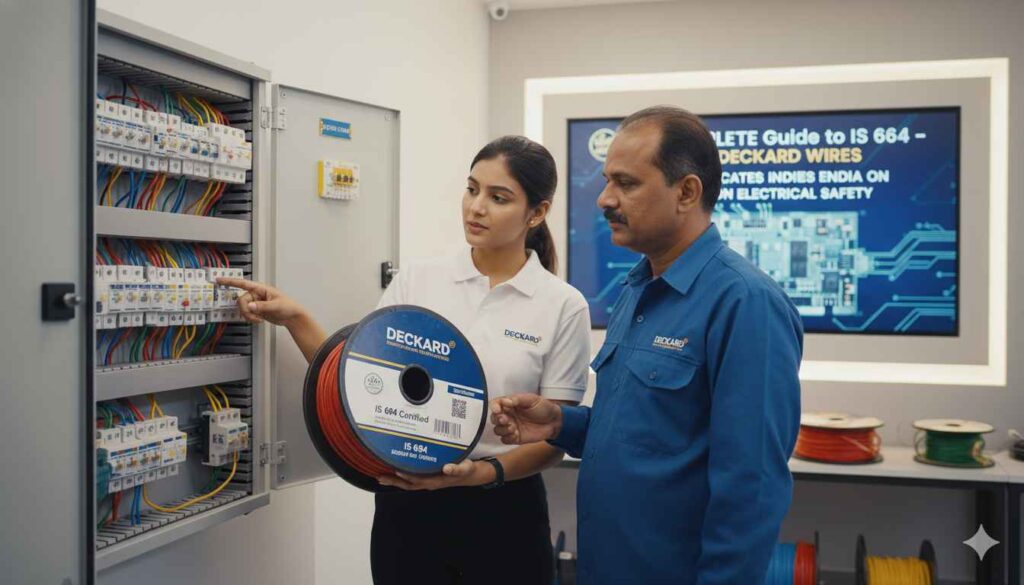
Selecting suitable electrical wires is an important step towards creating a reliable home electrical system. Deckard Wires offers electrical wire solutions for various applications, including residential use.
When considering Deckard Wires, review the available wire sizes, conductor specifications, insulation properties, and voltage ratings. Ensure that the selected wire suits the intended circuit and meets applicable safety standards.
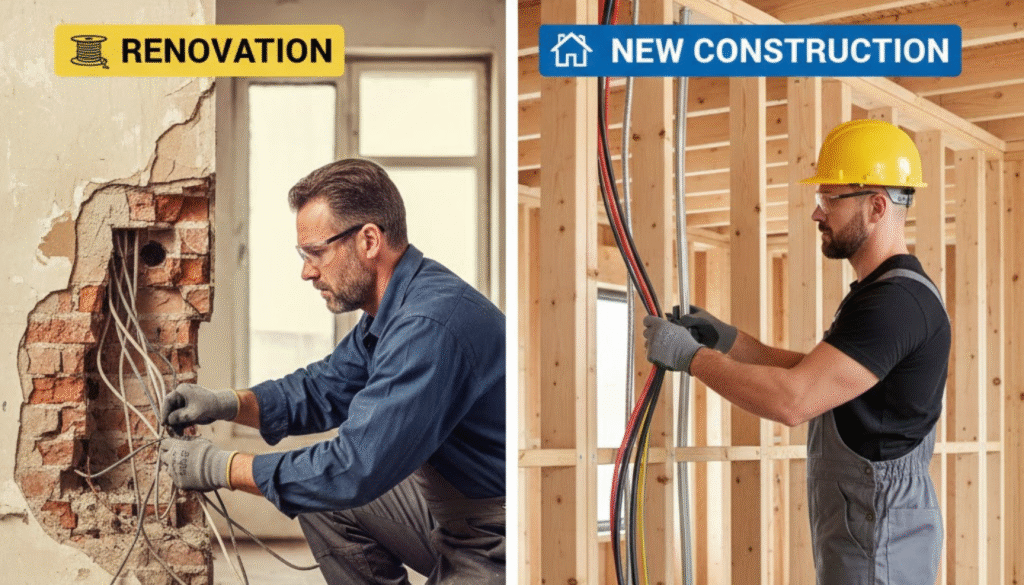
Whether you are installing wiring in a newly constructed home or renovating an existing property, combining suitable electrical wires with professional installation and proper circuit protection can support long-term safety and performance.
Explore the Deckard Wires product range to find suitable electrical wiring solutions for your residential requirements.
Conclusion
Making home electrical wiring easier begins with proper planning, careful wire selection, and professional installation. Understanding electrical loads, choosing suitable insulation, and ensuring proper earthing are essential steps towards creating a safe and reliable electrical system.
When planning electrical wiring at home in India, prioritize product quality, correct wire sizing, and applicable safety standards rather than focusing on price alone. With informed decisions and suitable products from Deckard Wires, homeowners can create a dependable wiring system for everyday needs.